What Nigerian Law Says About Reproducing Art.
Collectors own the artwork, but do they own the copyright?

Aisha Kabiru Mohammed
Guest Writer

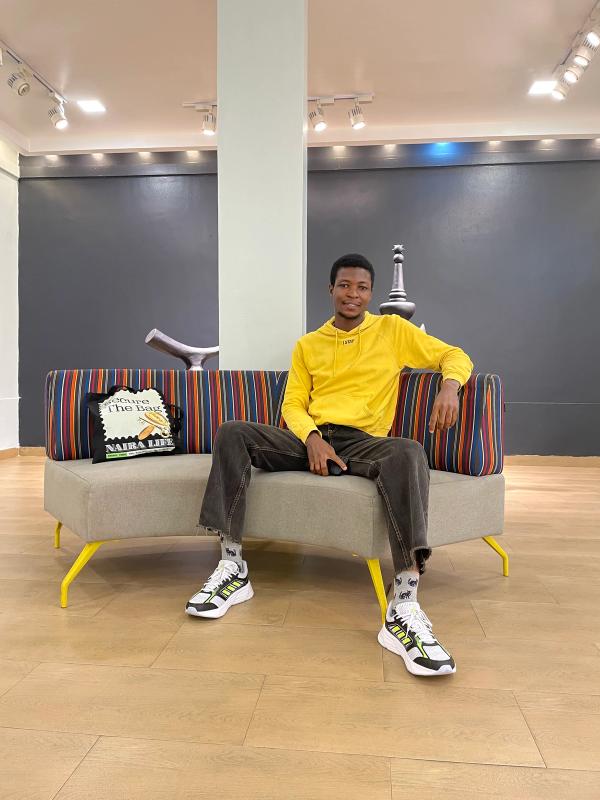
It is 12:00 in the afternoon. A painting has arrived at a collector’s house. The delivery driver hands it to the security guard at the entrance, and the collector hangs it up after work. He decides he likes the painting so much that he wants it on tote bags to share at his next event, possibly selling them for a profit. He also thinks it’ll make a perfect background for the flyer that he’s going to share for publicity; it fits the theme of the December event.
When the artist sees the flyer on the collector’s WhatsApp status they get queasy and are unsure whether or not it is right for the collector to have this picture of his art on tote bags and on a flyer that will be shared across multiple platforms on WhatsApp and Instagram. But the artist is not sure what to do because he has sold the painting. The painting now belongs to the collector.
This is an area of copyright law that artists don’t fully understand: where there is always a possibility of multiple reproductions of one painting by a collector, does simply owning a painting make it legal to reproduce and sell?
Generally, under Nigerian law, buying or collecting a physical artwork does not, by itself, give the collector the copyright needed to reproduce the image on tote bags, shirts, prints, mugs, or other merchandise for sale. The collector may do so only if the copyright has been validly assigned to them or the copyright owner has granted a licence covering that commercial use.
Ownership of the object is different from copyright. Section 30(7) of the Copyright Act 2022, Act No. 8 of 2022, expressly provides that ownership of the material in which a work is embodied does not confer ownership of copyright in the work. Section 30(8) further shows that transferring the object does not, without an agreement stating otherwise, amount to transferring the copyright. Therefore, purchasing an original canvas normally transfers the canvas and painting as a physical object, not the separate right to copy the image commercially. The collector can ordinarily possess, display, and resell that original object but cannot automatically manufacture copies of the artwork.
The author is generally the first owner of copyright. For a painting, drawing, sculpture, or similar artistic work, the author is ordinarily the artist. There can be exceptions or qualifications, including a written assignment of copyright, an exclusive or non-exclusive licence, contractual arrangements relating to employment, and commissioned works. Payment for a commissioned work does not necessarily transfer the entire copyright.
Due to these exceptions, a precise agreement and Section 28 rules must be examined for the expiration of copyright or a work in the public domain by artists to prevent any unwanted transfers of copyright. The contract must be examined to determine what rights were granted.
Section 10 gives the copyright owner of an artistic work the exclusive right to control relevant exploitation of the work, including its reproduction, publication, adaptation and commercial distribution in the circumstances covered by the Act. Photographing or scanning the painting, printing its image on bags, and manufacturing multiple bags are acts of reproduction. Selling tote bags with a photo of an artwork is commercial exploitation and distribution of the resulting copies. Under Section 36, doing an act controlled by copyright without the copyright owner’s authorisation amounts to infringement.
The fact that the collector owns the original artwork is therefore not a defence. When merchandise may lawfully be made, a collector can lawfully make and sell the merchandise where one of the following applies:
The copyright was assigned to the collector.
The transaction document must actually transfer the relevant copyright, not merely say that the artwork was “sold”. Under Section 30, an assignment must satisfy the Act’s formal requirements and may be limited by right, territory, duration or type of product.
The collector has a sufficient licence.
The licence should expressly cover reproduction of the identified artwork on merchandise, manufacture, advertising, online sales, distribution, territory, duration and quantities. An exclusive licence must be in writing and signed; using a written agreement is also prudent for any non-exclusive commercial licence.
The copyright has expired.
Under Section 19, copyright in most artistic works lasts until 70 years after the end of the year in which the author dies. Different rules can apply to photographs and certain other categories.
A statutory exception applies.
Section 20 contains exceptions such as fair dealing for specified purposes. Producing merchandise for ordinary retail sale is unlikely to qualify: it is commercial reproduction rather than research, criticism, review, parody, education or current-events reporting.
The artwork is not protected, or only an unprotected idea is used.
Copyright protects the artist’s original expression, not an abstract theme, concept, technique or style. Independently creating a genuinely different work inspired only by an unprotected idea can be lawful, but copying a substantial and recognisable part may infringe.
Even where economic rights have been assigned or licensed, section 14 protects the author’s moral rights, including the right to claim authorship and object to certain prejudicial distortions or modifications. A merchandising licence should therefore address attribution, permitted cropping, recolouring, additions, packaging and approval of altered versions. Depending on the artwork and marketing, additional issues may arise under trademark or passing-off law, contractual restrictions in the sale or gallery agreement, personality or image rights where identifiable people are depicted, cultural-heritage legislation, and registered-design rights.
Are there any consequences for a collector who does unauthorised merchandising? Under Sections 36 and 37, the copyright owner, assignee or exclusive licensee may bring an infringement action in the Federal High Court and seek remedies including an injunction stopping manufacture and sales, damages, an account of profits, inspection or seizure orders, and forfeiture of infringing copies. Some deliberate commercial dealings in infringing copies may also attract criminal liability.
A collector who merely bought the original artwork cannot ordinarily reproduce it on tote bags or other merchandise for sale. The collector should first obtain a written copyright assignment or merchandising licence from the artist or other proven rights holder, specifying products, quantities, territory, sales channels, duration, royalties, attribution and permitted modifications.